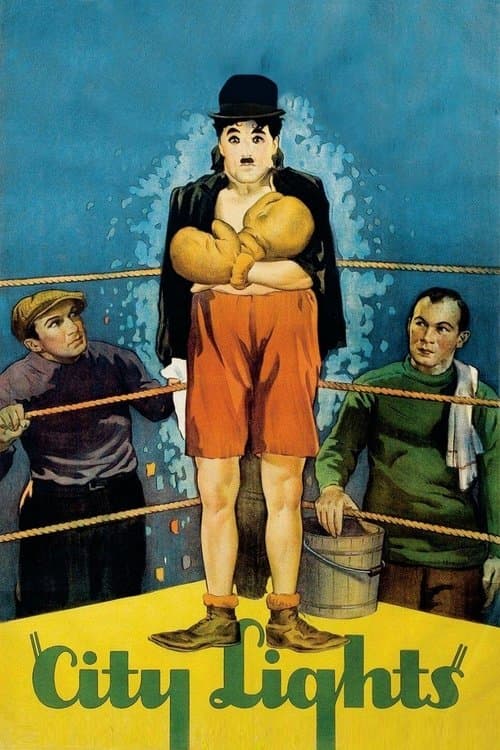
"Leather Gloves," a film released in 1948, delves deep into themes of redemption and the duality of human experience. At its core, the narrative revolves around a fallen prizefighter grappling with his past while navigating the complexities of love and loyalty. The juxtaposition of the two women in his life illustrates the broader societal divide of the time—one character representing the gritty reality of working-class struggles, and the other embodying the allure of a more glamorous, yet ultimately superficial lifestyle. This dichotomy not only serves to deepen the protagonist’s internal conflict but also reflects post-war America’s search for identity amid the shifting social landscape.
The film's cultural impact, though understated compared to its contemporaries, lies in its subtle commentary on the American Dream and the pitfalls that accompany it. Released in a period when the nation was burgeoning with optimism yet grappling with the scars of war, "Leather Gloves" captures the essence of a society at a crossroads. The protagonist’s journey serves as a microcosm of the larger American experience, highlighting how aspirations can lead individuals down divergent paths. The film resonates with audiences who recognize the universal struggle between personal ambition and moral responsibility, making its themes timeless even as the specific societal contexts evolve.
Cinematically, "Leather Gloves" employs innovative techniques that were ahead of its time, particularly in its use of shadow and light to convey emotional depth. The film's noir influences are evident in its striking visual style, which complements the protagonist's inner turmoil. The cinematographer’s choice to use stark contrasts not only enhances the dramatic tension but also symbolizes the stark choices facing the fallen fighter. The framing of scenes often isolates the lead character within the urban landscape, reflecting his alienation and the weight of his decisions, effectively drawing the viewer into his emotional plight.
Production-wise, "Leather Gloves" faced challenges typical of its era, including budget constraints and the pressures of the studio system. Despite these hurdles, the film managed to secure a talented cast and crew, which contributed to its nuanced storytelling and compelling performances. The collaboration between the director and the writers was instrumental in weaving a narrative that engaged audiences while remaining grounded in the realities of its characters’ lives. This dedication to authentic storytelling allowed "Leather Gloves" to carve a niche within the film noir genre, appealing to both critics and viewers alike who appreciated its layered exploration of human nature.