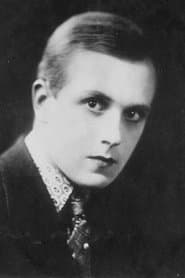
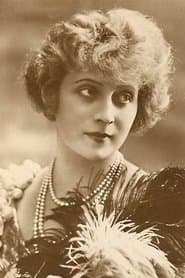
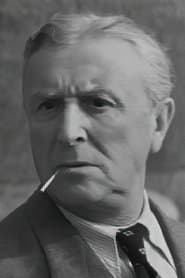
Unkwown to the vast majority, Count Patrice is the crown prince of Simenia. One day he sails for the East on his yacht "Bengal" in the company of Christiane, a beautiful princess, in love with him. Chance has it that Patrice sets Anar, an Oriental beauty, free from the harem where she is held captive. Love is born between the two young people, which infuriates Christiane. Mad with jealousy, the vexed woman sets about preventing Patrice and Anar from marrying... by all means fair or foul!
"Le Prince charmant," directed by the talented French filmmaker, is a fascinating example of early 20th-century cinema that explores the themes of love, jealousy, and the clash of cultures. At its core, the film's narrative juxtaposes the romantic ideals of Western nobility against the exotic allure of the East, illustrated through the love triangle between Count Patrice, Christiane, and Anar. The film cleverly comments on the societal expectations placed on individuals of high status, particularly regarding love and marriage, showcasing how jealousy can drive people to desperate measures. This theme resonates with audiences even today, as it delves into the complexities of human emotions amidst societal pressures.
Culturally, "Le Prince charmant" reflects the fascination and exoticism that Western audiences had for Eastern cultures during the 1920s. This period saw a surge in interest in Orientalism, which manifested in various art forms, including film. The portrayal of Anar, an Oriental beauty, serves as a double-edged sword; while it captivates the audience's imagination, it also raises questions about the representation of Eastern women in Western cinema. This cultural lens invites viewers to reflect on the stereotypes and fantasies that often accompany such portrayals, making the film a significant artifact of its time as it navigates the delicate balance between admiration and objectification.
In terms of cinematography, the film employs innovative techniques that were groundbreaking for its time. The use of elaborate set designs, vibrant costumes, and dynamic camera movements enhances the film's visual storytelling. The lush cinematography immerses viewers into the opulent world of royalty and the contrasting settings of the harem, creating a vivid backdrop for the unfolding drama. The visual style not only serves to highlight the romantic and adventurous aspects of the narrative but also reinforces the film's themes of escapism and desire, allowing audiences to indulge in a fantasy world far removed from their everyday lives.
The production history of "Le Prince charmant" is also noteworthy, as it was created during a time when the film industry was rapidly evolving. The 1920s marked the transition from silent films to talkies, and "Le Prince charmant" captures the last breath of the silent film era with its expressive performances and reliance on visual storytelling. This transitional period influenced the film's production, as filmmakers experimented with new techniques and narrative structures. Despite being lesser-known today, "Le Prince charmant" stands as a testament to the creativity and ambition of early filmmakers, paving the way for future generations to explore complex narratives and rich visual experiences in cinema.
FREQUENTLY ASKED QUESTIONS
REVIEWS
You need to be signed in to write a review.
No reviews yet. Be the first to review this movie!
DISCUSSION
Sign in to join the discussion.
No comments yet. Be the first to share your thoughts!