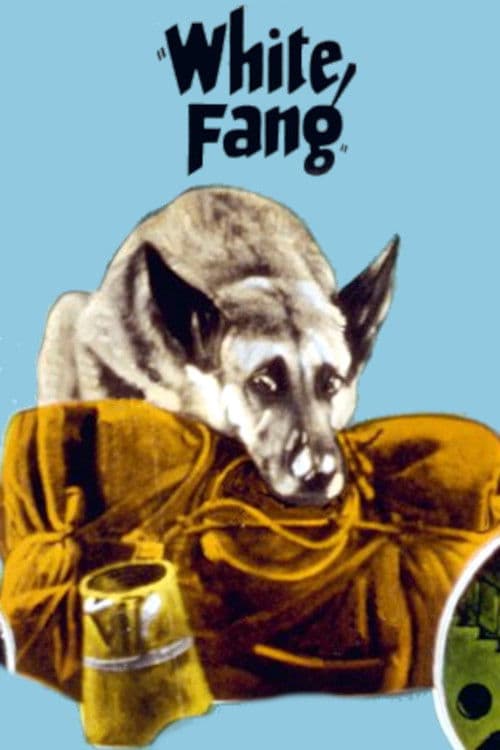
"Kazan" (1949) is a film that delves into the complexities of the human-animal bond, primarily through the perspective of a wolfdog navigating the harsh realities of the wilderness and his relationship with humans. The film is not merely a tale of survival; it explores themes of loyalty, identity, and the struggle between instinct and domestication. Kazan, the titular character, embodies both the wild spirit of his wolf heritage and the affection of his canine side, creating a compelling narrative that resonates with audiences on multiple levels. This duality reflects broader questions about nature versus nurture, making the film a poignant exploration of what it means to belong.
The cultural impact of "Kazan" extends beyond its immediate release period, as it contributed to a growing fascination with animal-centric stories in cinema. During the late 1940s, films that showcased animals as protagonists began to gain popularity, often appealing to audiences' emotions and sense of adventure. "Kazan" taps into this trend while also serving as a commentary on the relationship between humans and the natural world. The film's portrayal of Kazan's struggles resonates with themes of isolation and the search for companionship, which were particularly relevant in the post-war context of the late 1940s as society grappled with rebuilding and redefining connections after the trauma of World War II.
Cinematographically, "Kazan" showcases stunning outdoor landscapes that reflect the untamed beauty of nature, enhancing the film's emotional depth. The use of natural lighting and sweeping shots of the wilderness immerses viewers in the harsh yet beautiful environment that Kazan inhabits. This visual storytelling not only elevates the narrative but also serves as a character in its own right, symbolizing the challenges and freedoms that come with living in the wild. The cinematography captures moments of both tension and tranquility, allowing audiences to experience the visceral connection between Kazan and his surroundings, which is integral to his journey.
The production history of "Kazan" is equally fascinating, as it was inspired by the novel by James Oliver Curwood, a writer known for his passionate depictions of wildlife and the North American wilderness. The film was produced during a time when Hollywood was beginning to embrace more adventurous narratives, and it marked a significant collaboration between filmmakers and animal trainers to authentically depict Kazan's character. This dedication to realism not only enhanced the film's credibility but also set a precedent for future animal-centered films. The meticulous efforts to train and work with the wolfdog actors demonstrate a commitment to authenticity that resonates with audiences, reinforcing the bond between Kazan and the people who shaped his destiny.