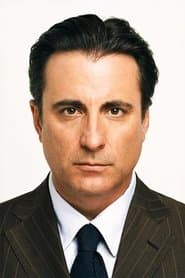
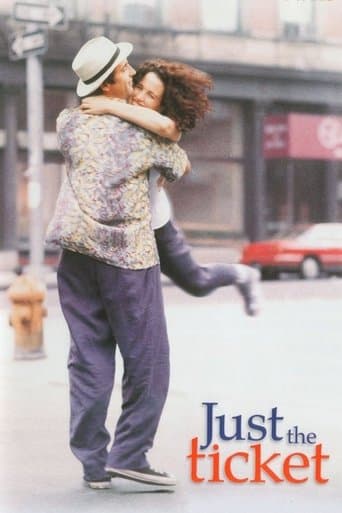
Gary Starke is one of the best ticket scalpers in New York City. His girlfriend, Linda, doesn't approve of his criminal lifestyle, though, and dumps him when she gets the opportunity to study cooking in Paris. Gary realizes that he has to give up scalping if he has any chance of winning her back. But before he does, he wants to cash out on one last big score. He gets his chance when the pope announces he'll be performing Easter Mass at Yankee Stadium.
"Just the Ticket," released in 1998, is a film that dives into the life of ticket scalping in New York City, shedding light on the moral ambiguities of its protagonist, Gary Starke, played by Andy Garcia. One of the film's central themes revolves around the conflict between personal ambition and the ethical dilemmas that accompany it. Gary's journey illustrates the struggle of choosing between a life of crime that offers immediate rewards and the pursuit of a more legitimate, stable existence that promises long-term happiness. This theme resonates with many viewers, especially those grappling with the consequences of their choices, making the film a reflective piece on love, integrity, and redemption.
Culturally, "Just the Ticket" captures a specific moment in New York City's history, where the ticket scalping scene was both vibrant and contentious. The film serves as a time capsule of late '90s New York, showcasing the hustle and bustle of the city's streets, the fervor surrounding major events like the Pope's visit, and the intricate social dynamics of urban life. While ticket scalping has been a controversial practice, the film humanizes the scalpers, presenting them as complex individuals rather than mere opportunists. This portrayal challenges the audience to understand the motivations behind such choices, reflecting broader societal themes around economic struggle and the pursuit of dreams, even when they might be considered morally dubious.
From a cinematographic standpoint, the film employs a vibrant yet gritty aesthetic that mirrors the chaotic energy of New York City. The cinematography captures both the bustling life of the city and the intimate moments of Gary's personal struggles, creating a juxtaposition that emphasizes his internal conflict. The use of dynamic camera work and urban landscapes not only immerses the audience in the setting but also accentuates the emotional stakes in Gary's quest for love and redemption. This visual storytelling effectively enhances the narrative, making the themes of the film resonate more deeply with viewers.
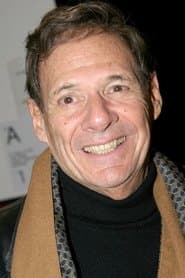
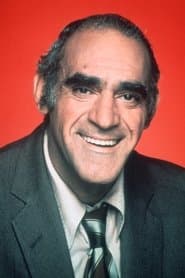
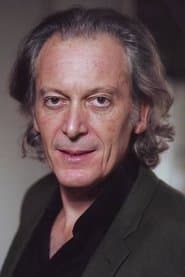
The production history of "Just the Ticket" is notable for its blend of established talent and rising stars. Directed by Richard Wenk, the film features performances from seasoned actors like Andy Garcia and Jennifer Lopez, who were both at pivotal points in their careers during the late '90s. Garcia, known for his ability to portray nuanced characters, brings depth to Gary, while Lopez adds a vibrant energy to the film as Linda, representing aspirations beyond the confines of their tumultuous relationship. The collaboration between these actors, coupled with a script that intertwines humor with serious undertones, contributes to a film that, while perhaps overshadowed by other works of its time, remains a distinctive exploration of the human experience amid the backdrop of New York's ticket scalping underworld.