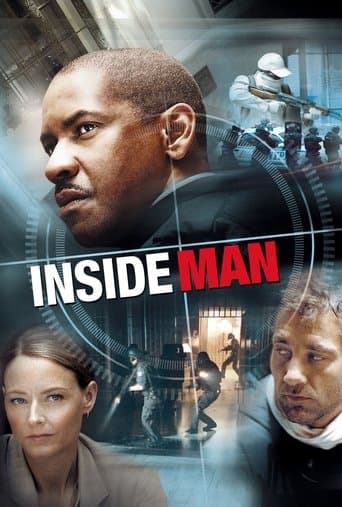
When an armed, masked gang enter a Manhattan bank, lock the doors and take hostages, the detective assigned to effect their release enters negotiations preoccupied with corruption charges he is facing.
"Inside Man," directed by Spike Lee, is a masterful exploration of themes surrounding morality and justice. At its core, the film delves into the gray areas of human behavior, contrasting the actions of the bank robbers with those of the police and the hostages. The character of Dalton Russell, played by Clive Owen, embodies a complex anti-hero; his motivations are not purely criminal but are intertwined with broader societal issues, including corruption and systemic inequality. This moral ambiguity invites viewers to ponder the nature of right and wrong, effectively blurring the lines between hero and villain, and challenging the audience's perceptions of justice.
The film's cultural impact is significant, particularly in its unflinching portrayal of race relations and institutional corruption. Spike Lee, known for his incisive commentary on social issues, infuses the heist narrative with a critique of post-9/11 America, where fear and suspicion often cloud judgment. The film also touches on the historical context of racial inequities, with the hostage situation serving as a microcosm for larger societal problems. By integrating these themes into a mainstream heist thriller, "Inside Man" not only entertains but also encourages a dialogue about the systemic issues that persist in contemporary society.
Cinematographically, "Inside Man" stands out for its dynamic visual style, crafted by the talented cinematographer Matthew Libatique. The film employs a vibrant color palette and innovative camera techniques, such as the use of long takes and creative framing, to maintain tension and keep the audience engaged. The choice of locations, particularly the stark, sterile environment of the bank contrasted with the bustling streets of Manhattan, enhances the claustrophobic atmosphere during the hostage situation. Libatique's work, combined with Lee's adept direction, creates a visually arresting film that captivates viewers while supporting the unfolding narrative.
In terms of production history, "Inside Man" marks a significant collaboration between Spike Lee and the film's writer, Russell Gerwitz. Lee's unique directorial vision paired with Gerwitz's sharp screenplay results in a narrative that is both tightly woven and rich with subtext. The film was produced by Universal Pictures and had a relatively modest budget in comparison to other blockbusters of its time, yet it achieved impressive box office success. This not only highlights the appeal of Lee's storytelling but also underscores the potential for intelligent, socially conscious cinema to thrive alongside traditional commercial offerings. The film's success paved the way for a resurgence of interest in nuanced storytelling within the heist genre, inspiring filmmakers to blend entertainment with thought-provoking themes.