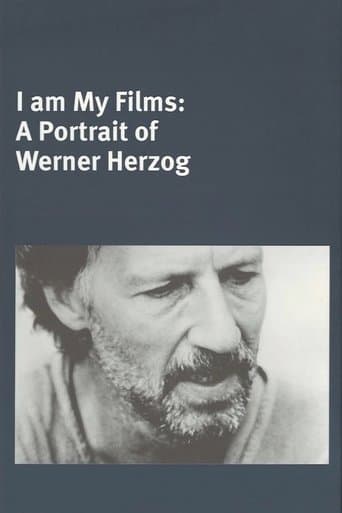
"I Am My Films: A Portrait of Werner Herzog" serves as an intimate exploration of one of cinema's most enigmatic figures. The film delves into Herzog's unique philosophy on filmmaking, revealing his belief that the act of creating cinema is a deeply personal and often spiritual endeavor. Herzog’s musings on the nature of reality and illusion in his work highlight a recurring theme in his films: the struggle between man and nature. This tension becomes a lens through which viewers can examine not only Herzog's filmography but also the broader human experience, making the documentary a profound reflection on the artistic process and the existential questions that drive it.
Culturally, Herzog's impact on the landscape of documentary and narrative filmmaking cannot be overstated, and this film acts as a pivotal documentation of his contributions up to the late 1970s. The documentary captures the zeitgeist of a period marked by experimental cinema and a quest for authenticity in storytelling. Herzog’s candid discussions about the challenges and triumphs he faced while making films such as "Aguirre, the Wrath of God" and "Stroszek" provide context to his work and illustrate how his distinctive vision influenced a generation of filmmakers. Moreover, the film stands as a testament to the cultural shift during the New German Cinema movement, where directors like Herzog sought to redefine narrative structures and thematic boundaries.
Cinematographically, "I Am My Films" employs a straightforward yet evocative style that mirrors Herzog's own approach to filmmaking. The documentary is characterized by its use of natural light and unembellished settings, emphasizing the director's philosophy that the camera should capture the world as it is, rather than manipulate it. This aesthetic choice highlights Herzog's deep connection to the landscapes and environments that feature prominently in his films, allowing viewers to appreciate the raw beauty and brutal realities that inform his work. The result is a visual narrative that invites the audience to engage with Herzog's creative vision in a more personal and contemplative manner.
The production history of "I Am My Films" is also noteworthy, as it reflects the collaborative spirit that Herzog often championed in his projects. The film was conceived during a time when Herzog was seeking to redefine his relationship with cinema, making it not just a retrospective but also a manifesto of sorts. The documentary showcases Herzog's candid personality, his philosophical musings, and his willingness to confront failure and success alike, revealing the man behind the camera. This self-reflective approach ultimately transforms the film from a mere collection of interviews into a compelling narrative that captures the essence of Herzog's artistic journey, further solidifying his legacy as one of cinema's most influential and provocative voices.