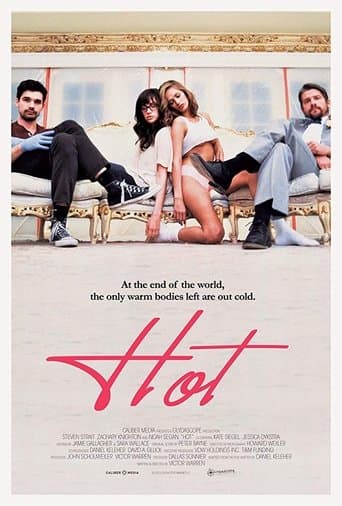
A comic yet ultimately devastating look at an apocalyptic future Los Angeles torn apart by a dangerous virus, most of its victims left unconscious to die slowly.
"Hot," released in 2016, boldly explores the theme of societal collapse through the lens of dark comedy, expertly blending humor with a chilling critique of contemporary issues. Set in a dystopian Los Angeles ravaged by a virus that leaves its victims in a state of slow, agonizing demise, the film reflects on the fragility of civilization and the absurdities of modern life. By juxtaposing laughable scenarios with devastating consequences, the film invites audiences to confront the uncomfortable reality of climate change, public health crises, and the disintegration of social order, ultimately leaving them pondering the thin line between comedy and tragedy.
Culturally, "Hot" emerged during a time when global anxieties about pandemics and climate change were intensifying, making its message particularly resonant. The film serves as a mirror to our own societal fears, using the backdrop of an apocalyptic Los Angeles to critique our complacency in the face of looming disasters. By presenting a world where the consequences of inaction are grotesquely exaggerated, the film encourages viewers to reflect on their own roles within society and the urgency of addressing pressing issues before they spiral out of control. Its unique blend of humor and horror challenges conventional narratives about the apocalypse, inviting a fresh dialogue on what it means to survive in an increasingly uncertain world.
From a cinematographic perspective, "Hot" is notable for its inventive use of visual storytelling to amplify its themes. The film employs a vibrant color palette and dynamic camera work that contrasts sharply with the bleakness of its narrative, creating a dissonance that heightens the impact of its satirical elements. The cinematographer's choice to juxtapose the beauty of Los Angeles with the grotesque reality of a dying city enhances the viewer's emotional engagement, making the absurdity of the characters’ experiences all the more poignant. This stylistic approach not only adds depth to the narrative but also serves as a reminder of the inherent beauty in life, even amidst chaos and decay.
The production history of "Hot" also reflects its innovative spirit, as it was created with a relatively modest budget but packed with creativity and ambition. The filmmakers utilized a combination of practical effects and clever set design to bring the apocalyptic vision of Los Angeles to life, demonstrating that compelling storytelling does not necessarily require blockbuster resources. This resourcefulness is emblematic of independent filmmaking, where the constraints of budget often lead to greater artistic ingenuity. The film's success in capturing the audience's imagination despite its financial limitations speaks to the power of storytelling and the importance of unique voices in the cinematic landscape, inspiring future filmmakers to push boundaries and explore untold narratives in the genre.
Frequently Asked Questions
Reviews
You need to be signed in to write a review.
No reviews yet. Be the first to review this movie!
Discussion
Sign in to join the discussion.
No comments yet. Be the first to share your thoughts!