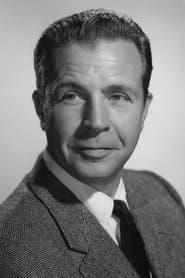
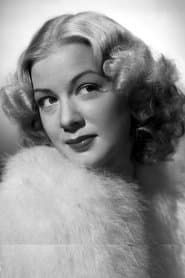
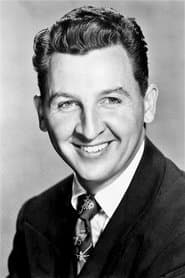
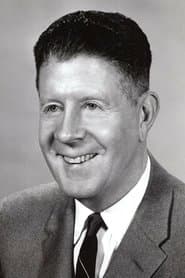
"Happy Go Lucky," released in 1943, is a fascinating blend of romance and adventure that reflects the cultural context of its time. The film's central theme revolves around the pursuit of wealth and the moral dilemmas that accompany it, particularly through the character of the gold-digger. Set against the backdrop of Trinidad, the film explores the allure of the Caribbean as an exotic locale, often romanticized in Hollywood. This portrayal not only captivates audiences but also raises questions about the consequences of materialism, as the protagonist's journey leads her into a world where superficial desires clash with deeper, more meaningful connections.
One of the most intriguing aspects of "Happy Go Lucky" is its engagement with elements of voodoo, which serves as a narrative device that adds both mystique and tension to the storyline. The incorporation of voodoo reflects a broader fascination with Afro-Caribbean spiritual practices during the 1940s, often romanticized and misunderstood in Western cinema. This portrayal highlights the cultural complexities of the Caribbean and reveals a nuanced interplay between superstition and personal ambition. While the film may not fully capture the intricacies of voodoo practices, it nonetheless introduces audiences to a rich tapestry of cultural beliefs that were often exoticized in Hollywood narratives.
Cinematically, "Happy Go Lucky" embraces a vibrant aesthetic characteristic of the era, utilizing bright colors and lively musical interludes that enhance the film's lighthearted tone. The cinematography effectively captures the beauty of Trinidad's landscapes, creating a visually enticing setting that contrasts with the protagonist's materialistic pursuits. This vibrant visual palette not only serves to engage viewers but also reinforces the film's themes of escapism and the pursuit of happiness in a post-war context. The use of location shooting in a tropical paradise invites audiences to escape the realities of their everyday lives, highlighting the escapist allure of cinema during World War II.
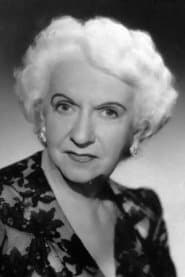
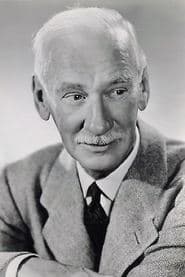
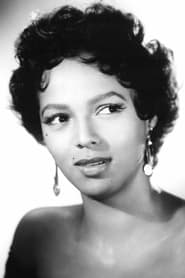
The production history of "Happy Go Lucky" is also noteworthy, as it emerged during a time when Hollywood was grappling with the impacts of the war on both its talent and its audiences. The film's light-hearted narrative and upbeat musical numbers provided a welcome respite from the darker realities of the world outside the theater. Additionally, the film features a cast that reflects the growing diversity in Hollywood, with actors who brought their unique backgrounds to the roles. This representation, while still limited by the era's stereotypes, marked a gradual shift in the industry towards more inclusive storytelling, foreshadowing the changes that would come in the decades to follow.