Despite his talent as a musician, a city boy decides to become a boxer. He's successful as a fighter — much to the dismay of his parents. When gangsters try to buy a piece of him, he begins to have second thoughts.
"Golden Boy," released in 1939, serves as a compelling exploration of the classic struggle between artistic passion and the allure of material success. The film's protagonist, Joe Bonaparte, is torn between his love for music and the seductive world of boxing, a theme that resonates with anyone who has ever faced the daunting choice of pursuing a passion or opting for a more lucrative, albeit less fulfilling, path. This inner conflict is not just personal; it reflects broader societal themes of ambition, the American Dream, and the often harsh realities of life, making the film timeless in its relevance.
The cultural impact of "Golden Boy" is notable, particularly in how it captures the zeitgeist of late 1930s America, where the harsh economic climate of the Great Depression influenced many to seek quick success in various fields, including boxing. The film was adapted from a play by Clifford Odets, whose works often highlighted the struggles of the common man. By showcasing the tension between the protagonist's dreams and the corrupting influence of gangsters, the film critiques the notion that success comes without moral compromise, a message that resonated deeply with audiences at the time and continues to hold significance today.
Visually, "Golden Boy" excels in its cinematography, with striking contrasts and dynamic camera work that enhance the film's themes. The boxing scenes are particularly noteworthy, as they utilize innovative techniques to convey the brutality and excitement of the sport. The choreography of the fight sequences, combined with effective close-ups and dramatic lighting, immerses viewers in the visceral experience of the boxing ring. This cinematic approach not only elevates the tension during fights but also reflects Joe's turbulent inner world, effectively marrying the visual style with the narrative's emotional core.
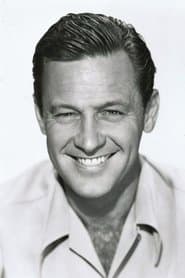
Behind the scenes, "Golden Boy" benefited from a strong production team and cast, featuring the talented William Holden in his breakthrough role, which would ultimately launch him to stardom. The film was produced by Columbia Pictures during a time when the studio was striving to compete with the larger Hollywood powerhouses, and it showcased their ability to deliver compelling, character-driven stories. The collaboration between director Rouben Mamoulian and the talented screenwriters resulted in a film that is not only entertaining but also rich in thematic depth, leaving an indelible mark on the landscape of American cinema.