Spain in the 1930s is the place to be for a man of action like Robert Jordan. There is a civil war going on and Jordan—who has joined up on the side that appeals most to idealists of that era—has been given a high-risk assignment up in the mountains. He awaits the right time to blow up a crucial bridge in order to halt the enemy's progress.
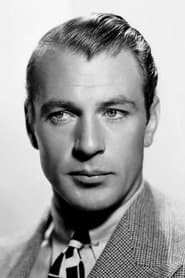
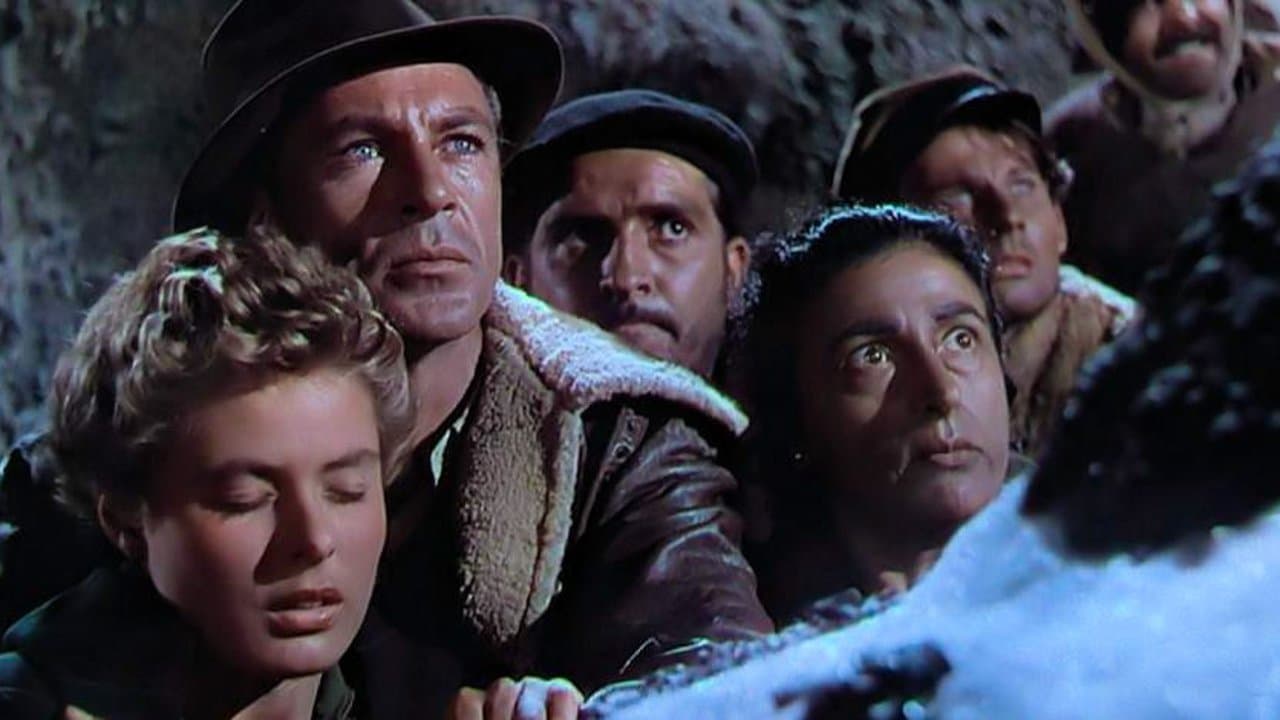
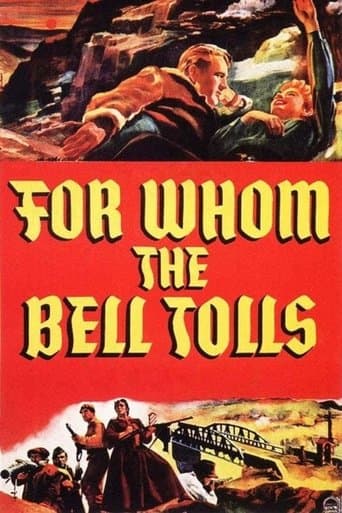
"For Whom the Bell Tolls," directed by Sam Wood and released in 1943, is a poignant adaptation of Ernest Hemingway's novel that captures the tumultuous spirit of the Spanish Civil War. One of the film's most compelling themes is the exploration of sacrifice and the personal cost of war. The protagonist, Robert Jordan, portrayed by Gary Cooper, grapples with his sense of duty versus his desire for a meaningful connection, particularly with María, played by Ingrid Bergman. Their relationship serves as a microcosm of the larger conflict—love and hope amidst the devastation of war. This emotional core resonates deeply, highlighting the human experience in the face of political ideology and violence.
The film's cultural impact is noteworthy, particularly in how it reflects the sentiments of the time. Released during World War II, "For Whom the Bell Tolls" resonated with American audiences who were themselves navigating the complexities of global conflict. Its anti-fascist message and emphasis on solidarity among the oppressed were particularly relevant, positioning the film as a rallying cry for those fighting against tyranny. The film helped to bring awareness to the Spanish Civil War, which had often been overshadowed by the events of the Second World War, and it sparked conversations about the broader implications of ideological battles, making it a significant work in the canon of war films.
Cinematographically, "For Whom the Bell Tolls" is a visual feast that effectively captures the rugged beauty of the Spanish landscape while also conveying the tension of the narrative. Cinematographer Charles Lang utilized a rich, atmospheric style, employing deep shadows and striking contrasts that echoed the film's themes of struggle and desperation. The sweeping vistas of the mountains serve as both a backdrop for the action and a metaphor for the characters' internal conflicts, enhancing the film’s emotional depth. The cinematography not only highlights the natural beauty of Spain but also elevates the stakes of Jordan's mission, reminding viewers of the fragile balance between life and death in a time of war.
Production-wise, the film faced its own set of challenges, particularly regarding its fidelity to Hemingway's original text. The screenplay, adapted by Dudley Nichols, had to navigate the complexities of censorship and the constraints of Hollywood at the time. The film was made under the auspices of Paramount Pictures, which meant that it needed to balance artistic integrity with commercial viability. Additionally, the casting of Gary Cooper and Ingrid Bergman brought star power that was both a boon and a burden; their performances had to resonate with audiences while remaining true to the characters' nuanced emotional arcs. This careful balancing act resulted in a film that, while not a perfect representation of Hemingway's vision, nonetheless stands as a classic that highlights the struggle for human connection amidst the chaos of war.