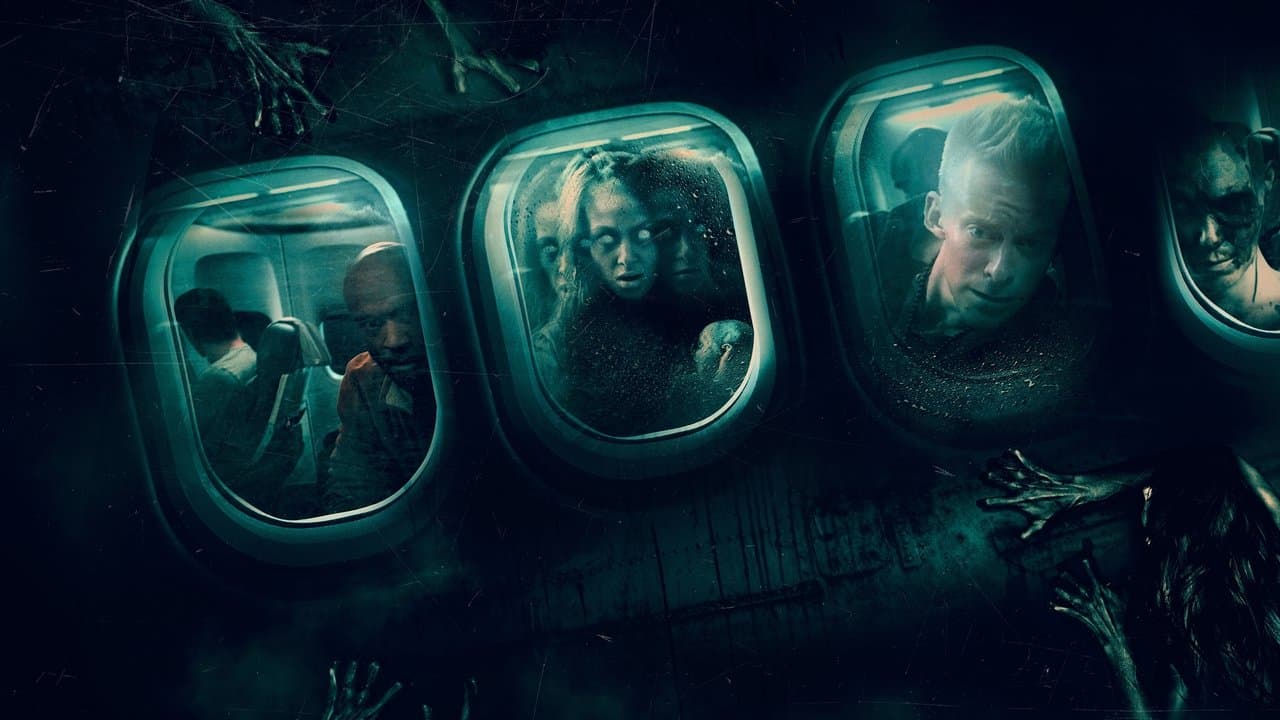
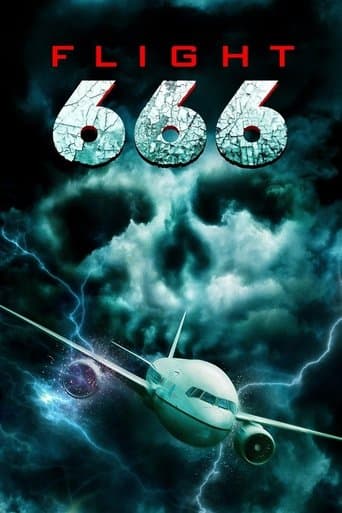
"Flight 666" (2018) delves into the theme of isolation, both physical and psychological, as it traps passengers and crew in a confined space while they confront unseen malevolent forces. This setting amplifies the tension and fear, as the characters are not only battling external threats but also grappling with their own insecurities and fears. The claustrophobic environment of an airplane serves as a microcosm for society, showcasing how individuals react under pressure and the moral dilemmas they face when survival is at stake. The film cleverly uses this theme to explore how fear can bring out the best and worst in people, prompting viewers to reflect on their own responses to crisis situations.
Culturally, "Flight 666" taps into the zeitgeist of contemporary anxieties surrounding air travel, especially in a post-9/11 world where flying has become synonymous with vulnerability. The film captures the essence of modern fears, from the dread of flying itself to the existential dread of facing an unknown threat. By presenting the airplane as a battleground for supernatural horror, the film resonates with audiences who have increasingly turned to genre cinema as a means of expressing and confronting their fears. This cultural relevance not only enhances the film's impact but also positions it within a broader conversation about the horrors that lurk just beneath the surface of everyday life.
From a cinematography perspective, "Flight 666" employs a combination of tight framing and dynamic camera movements to heighten the sense of claustrophobia and disorientation. The use of low lighting in the cabin scenes creates an oppressive atmosphere, effectively mirroring the characters’ growing panic as the unseen forces strike. This visual strategy is complemented by the sound design, which plays a crucial role in building tension. The unsettling soundscapes and sudden, jarring audio cues amplify the horror elements, immersing the audience in a visceral experience where they too feel the encroaching dread.
In terms of production history, "Flight 666" reflects the growing trend of indie horror films that leverage limited budgets to deliver high-concept narratives. The film's production team faced the challenge of creating a compelling horror experience within the constraints of a single location, which led to creative storytelling and innovative practical effects. Despite its modest origins, the film has carved out a niche within the genre, showcasing how independent filmmakers can effectively engage with familiar tropes while still offering fresh twists that captivate audiences. This approach not only highlights the resourcefulness of the filmmakers but also underscores the vibrant landscape of contemporary horror cinema.