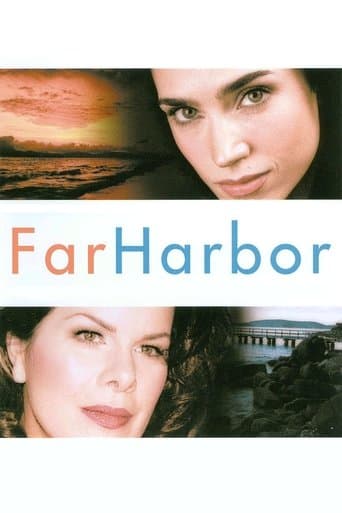
"Far Harbor," directed by David B. O’Brien, delves into the complexities of youth and the often turbulent journey of self-discovery. The film presents a microcosm of contemporary life, where the characters, each with their own personal dilemmas and insecurities, converge in a lavish Long Island home. This setting serves as a stark contrast to the emotional and relational chaos that unfolds among the group. The themes of privilege, disillusionment, and the search for authenticity resonate throughout the narrative, capturing the essence of the 1990s youth culture, where material wealth often masked deeper issues of identity and belonging.
The film's cinematography plays a crucial role in enhancing its thematic depth. The contrasting visual elements of the luxurious setting against the characters' internal struggles bring a palpable tension to the narrative. O’Brien employs a mix of intimate close-ups and wide shots that showcase both the lavish environment and the isolation felt by the characters. This visual storytelling amplifies the emotional weight of their interactions, allowing the audience to engage with their conflicts on a more visceral level. The cinematography not only reflects the opulence of the yuppie lifestyle but also serves as a metaphor for the emotional barriers that separate the characters from one another.
"Far Harbor" also stands out for its cultural impact, as it encapsulates a time when the yuppie lifestyle was at its peak, drawing attention to the superficiality that often accompanies wealth. The film offers a critique of this lifestyle, showcasing how the characters' affluent backgrounds do not shield them from existential crises or interpersonal conflicts. Through its exploration of privilege and its discontents, "Far Harbor" invites viewers to reflect on the meaning of success and the true essence of happiness, challenging the notion that financial stability equates to emotional fulfillment.
The production history of "Far Harbor" is noteworthy as it reflects the independent filmmaking spirit of the 1990s. Made on a modest budget, the film showcases the creative ambitions of emerging talents at the time, including a cast of relatively unknown actors who brought authenticity to their roles. This independent approach allowed for a more intimate and personal storytelling style, which resonated with audiences seeking relatable narratives. The film's dedication to exploring the intricacies of human relationships and the pressures faced by young adults in a rapidly changing society solidified its place as a thoughtful reflection of its era, leaving a lasting impression on viewers and filmmakers alike.