"Dragon" (2011), also known as "Wu Xia," intricately weaves themes of redemption and the struggle between one's past and present. At its core, the film explores the idea of personal transformation, as the protagonist, a former martial arts master seeking a peaceful life, is relentlessly pursued by a detective and his own dark history. This duality of character creates a compelling narrative tension, where the audience is drawn into the moral complexities of the characters' choices. The film challenges viewers to consider whether a person can truly escape their past and the consequences that come with it, prompting deep reflection on the nature of identity and redemption.
Culturally, "Dragon" serves as a fascinating fusion of traditional Chinese martial arts and modern filmmaking techniques. The film pays homage to classic wuxia cinema while incorporating contemporary storytelling elements and visual aesthetics. This blend not only appeals to long-time fans of the genre but also invites new audiences to appreciate the rich cultural heritage of Chinese martial arts. Furthermore, the film's exploration of themes such as justice and honor resonates with broader societal issues, particularly in a rapidly changing China. As such, "Dragon" stands as a cultural artifact that reflects the ongoing dialogue between tradition and modernity.
From a cinematographic perspective, "Dragon" is visually stunning, showcasing breathtaking action sequences and intricate choreography that elevate the martial arts genre. The film's director, Peter Chan, employs a keen eye for detail, utilizing slow-motion techniques and dynamic camera angles to capture the fluidity and grace of the fight scenes. Cinematographer Jake Pollock enhances the visual storytelling by contrasting vibrant colors with darker tones, creating a rich atmosphere that mirrors the internal conflicts of the characters. This artistic approach not only engages the audience but also serves to deepen the emotional resonance of the film, making each fight sequence not just a display of physical prowess but also a reflection of the characters' inner turmoil.
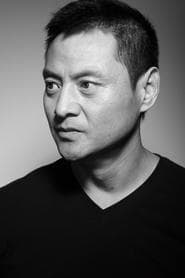
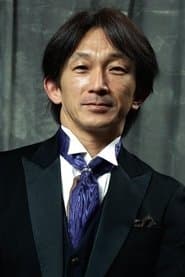
Moreover, the production history of "Dragon" is noteworthy as it marks a significant collaboration between Hong Kong and mainland Chinese cinema, highlighting the evolving landscape of the film industry in the region. The film garnered attention for its high-profile cast, including Donnie Yen and Takeshi Kaneshiro, both of whom brought considerable star power and martial arts expertise to the project. The partnership between established filmmakers and emerging talents illustrates a shift towards more ambitious storytelling within the genre, paving the way for future collaborations that blend diverse cinematic influences. As a result, "Dragon" stands not only as an engaging martial arts film but also as a landmark in the ongoing evolution of Chinese cinema.
Reviews
You need to be signed in to write a review.
No reviews yet. Be the first to review this movie!
Discussion
Sign in to join the discussion.
No comments yet. Be the first to share your thoughts!