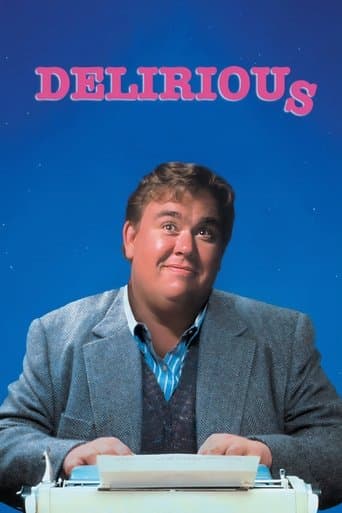
"Delirious," directed by Tom Mankiewicz, stands out as a fascinating exploration of the blurred lines between fiction and reality. The film stars John Candy as Jack Gable, a soap opera writer who, after a freak accident, finds himself transported into the very world he creates. This premise not only serves as a comedic vehicle but also delves into deeper themes of control, creativity, and the often absurd nature of storytelling. Jack's journey through his own narrative exposes the limitations and absurdities of soap opera tropes, inviting viewers to reflect on the power dynamics between creators and their characters, as well as the nature of escapism in the world of entertainment.
The cultural impact of "Delirious" can be observed in its playful approach to the conventions of soap operas, a genre that was immensely popular during the late 20th century. The film cleverly satirizes the melodramatic elements typical of daytime television, while also celebrating its quirks. By placing a character within a soap opera universe, the film engages with the audience's understanding of these tropes, allowing for a unique commentary on the genre. As a result, "Delirious" resonates with both fans of soap operas and those who appreciate a good parody, thus broadening its appeal and ensuring its place in pop culture conversations.
Visually, "Delirious" employs a vibrant and whimsical cinematography that complements its outlandish premise. The film's color palette is bold and lively, reflecting the exaggerated emotions often found in soap operas. Cinematographer Haskell Wexler's work captures both the fantastical elements of the soap world and the more grounded aspects of Jack's life, creating a visual juxtaposition that enhances the narrative. The artistic choices made in framing and lighting serve to heighten the comedic moments while also allowing for poignant reflections on Jack's character development throughout the film.
Regarding its production history, "Delirious" stands as a testament to John Candy's immense talent and charisma. Released in 1991, the film showcases a blend of his signature humor and heartfelt moments, characteristics that endeared him to audiences. The film's writing, co-developed by Mankiewicz and Candy, demonstrates a collaborative spirit that was quite common in Candy's projects, where he often brought a personal touch to the material. While "Delirious" may not have achieved blockbuster status, it remains a beloved cult classic, appreciated for its inventive premise and the charm of its leading man, leaving an indelible mark on the landscape of comedy films from that era.