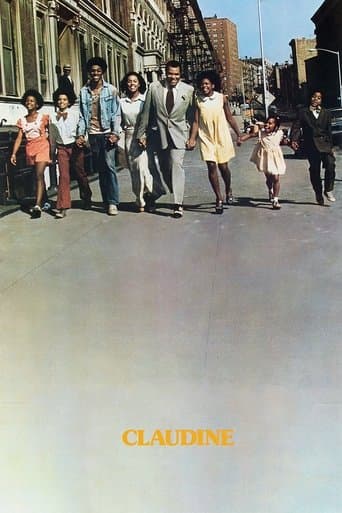
Claudine is a single mother in New York City who endures an exhausting commute to the suburbs where she works as a maid for wealthy families. In one carefully tended white community, she meets Roop, a charismatic but irresponsible garbage collector. Romance quickly ensues, but Claudine doubts that their relationship is good for her six children, and Rupert, despite his good nature, is reluctant to take on fatherhood.
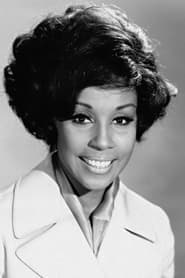
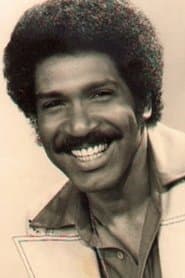
"Claudine," directed by John Berry and released in 1974, is a poignant exploration of the struggles faced by African American families, particularly single mothers, in a society marked by economic disparity and racial tension. The film's central theme revolves around the challenges of balancing personal desires with familial responsibilities. Claudine, played by Diahann Carroll, embodies the resilience of a woman striving to provide for her six children while navigating the complexities of love and societal expectations. Her relationship with Roop, portrayed by James Earl Jones, serves as a microcosm of the broader societal issues of the time, highlighting the intersections of race, class, and gender. The film ultimately raises questions about the sacrifices one makes for love and the impact those choices have on family dynamics.
The cultural impact of "Claudine" is significant, as it was one of the earliest films to authentically portray the lives of Black working-class families in America. Released during a time when Hollywood was beginning to embrace more diverse narratives, the film offered a refreshing departure from the stereotypical representations of Black characters often seen in mainstream cinema. Both Carroll and Jones delivered powerful performances that showcased their characters' vulnerabilities and strengths, allowing audiences to connect deeply with their struggles. The film also reflects the changing social landscape of the 1970s, making it a relevant piece for discussions around race relations, gender roles, and economic hardship that resonate even today.
Cinematographically, "Claudine" employs a blend of intimate close-ups and wider shots to capture the emotional depth of its characters while also situating them within the broader context of their environment. The film's cinematographer, Charles R. McCarter, utilizes natural lighting and vibrant colors to create a sense of realism that enhances the audience's connection to Claudine's world. The contrast between the sterile, affluent neighborhoods where she works and the vibrant, yet challenging, life she leads as a single mother is visually striking. This choice of cinematography not only underscores the film's themes of social disparity but also invites viewers to reflect on the dichotomy of American life.
The production history of "Claudine" is equally noteworthy, as it was one of the first films to be produced by a major studio with a predominantly African American cast and crew. This pioneering effort is particularly significant given the context of the era, as it marked a shift towards greater representation and storytelling within Hollywood. The film's screenplay, penned by the talented screenwriter and playwright, was inspired by real-life experiences, lending an authenticity that resonates throughout the narrative. Additionally, the collaboration between the director, cast, and crew created a rich environment for exploring complex themes, ultimately resulting in a film that not only entertains but also provokes thought and conversation about race, class, and family in America.