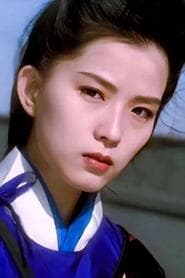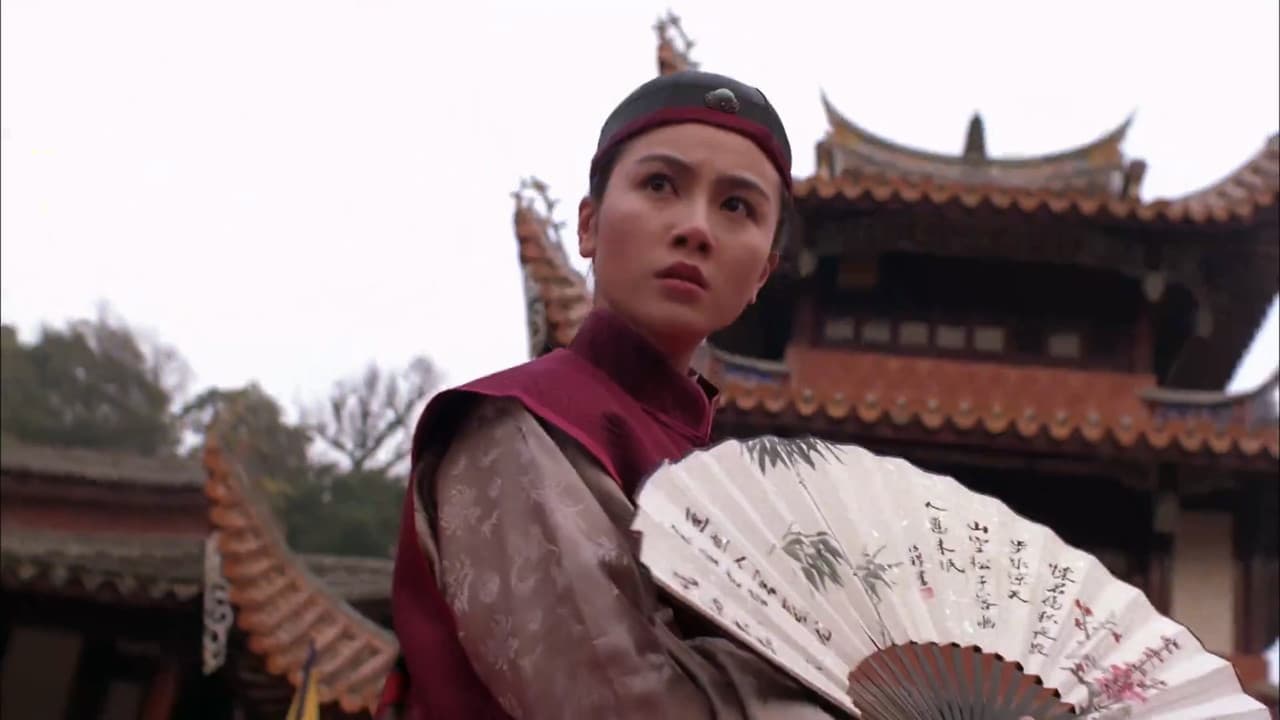
Sam The Iron Bridge is recruited for the position of Governor. The Emperor, however, rules that the position should be filled by whoever wins the Martial Arts Tournament. Now the young hero must fight another formidable opponent...
"Champion of Martial Arts" (1993) showcases the timeless theme of honor and perseverance that resonates deeply within martial arts cinema. At its core, the film revolves around the journey of Sam The Iron Bridge, who faces not only formidable opponents but also the weight of responsibility that comes with being a leader. The narrative deftly intertwines the personal growth of the protagonist with the larger societal implications of power and governance, illustrating how martial arts can serve as a vehicle for moral lessons and personal integrity. The tournament setting, a classic trope in martial arts films, acts as a crucible for character development, pushing Sam to overcome both physical and psychological obstacles as he strives to embody the virtues of a true leader.
The cultural impact of "Champion of Martial Arts" extends beyond its entertainment value, reflecting the enduring fascination with martial arts in global cinema, particularly during the 1990s. This era saw a surge in interest in Asian martial arts, with films serving as a bridge between Eastern and Western cultures. By featuring a tournament that determines political power, the film not only entertains but also invites audiences to ponder the intersections of martial skill and governance. The film’s portrayal of traditional values, such as respect, discipline, and community, resonates with viewers from various backgrounds, reinforcing the idea that martial arts is not merely about physical prowess but also about cultivating character and ethical conduct.
From a cinematographic perspective, "Champion of Martial Arts" employs a blend of dynamic fight choreography and visually striking cinematography that captures both the intensity of the martial arts demonstrations and the film’s dramatic moments. The choreographed sequences are meticulously crafted, showcasing the skills of the actors and the artistry of martial arts itself. The film's cinematographer utilizes a mix of wide shots to emphasize the grand scale of the tournament and close-ups to capture the emotional stakes of the characters, creating a visual narrative that complements the film’s themes of struggle and triumph. This attention to visual storytelling not only enhances the action sequences but also underscores the deeper emotional currents that run throughout the film.
The production history of "Champion of Martial Arts" reveals a dedication to authenticity that was characteristic of many martial arts films of the time. The filmmakers brought together a talented cast of martial artists and actors, ensuring that the fight scenes were both credible and captivating. The film was shot in various locations that added to its aesthetic appeal, creating a vibrant backdrop for the action while showcasing the cultural richness of the martial arts tradition. Additionally, the collaboration between seasoned martial artists and choreographers helped to elevate the film's action sequences, making them a focal point that would leave a lasting impression on fans of the genre. This commitment to quality and authenticity played a crucial role in shaping the film’s legacy within the broader martial arts film canon.
Frequently Asked Questions
Reviews
You need to be signed in to write a review.
No reviews yet. Be the first to review this movie!
Discussion
Sign in to join the discussion.
No comments yet. Be the first to share your thoughts!