When a strange signal pulsates through all cell phone networks worldwide, it starts a murderous epidemic of epic proportions when users become bloodthirsty creatures, and a group of people in New England are among the survivors to deal with the ensuing chaos after.
"Cell," directed by Tod Williams and based on Stephen King's novel of the same name, delves into the harrowing consequences of our increasingly connected world. At the heart of the film lies a chilling commentary on technology's impact on human behavior. The premise of a signal turning cell phone users into violent, zombie-like creatures serves as an allegory for the dangers of over-reliance on technology and the potential loss of individual autonomy. This theme resonates powerfully in today's society, where smartphones and constant connectivity can lead to social isolation and a detachment from reality, making "Cell" not just a horror film, but a cautionary tale about the perils of modern communication.
The film's cultural impact is notable, especially considering its release in 2016, a time when smartphones were becoming ubiquitous and integral to daily life. "Cell" taps into the collective anxiety surrounding technology's role in society, reflecting fears of losing control over our own minds and actions. The narrative plays into a broader discourse on how digital devices can alter human interactions and behavior, making it relevant to audiences grappling with similar concerns. This fear of technology's influence is mirrored in other contemporary media, highlighting a shared cultural unease that remains significant in discussions about digital ethics and social dynamics.
Cinematographically, "Cell" employs a mix of tense close-ups and sweeping wide shots to evoke both intimacy and chaos, enhancing the film's sense of dread. The visual style mirrors the unpredictability of the plot, with moments of quiet suspense abruptly interrupted by violence, effectively keeping viewers on edge. The use of color and lighting also contributes to the film's atmosphere, with a bleak palette that underscores the despair and desolation of a world collapsing under the weight of its technological advancements. This careful attention to visual storytelling reinforces the themes of alienation and fear, making the audience feel as trapped as the characters.
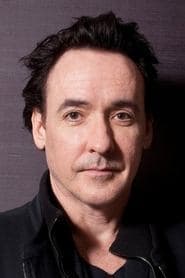
The production history of "Cell" is intriguing, particularly due to its connection to Stephen King, a master of horror whose works have been adapted extensively for film and television. Although the film faced challenges during its production, including a limited budget and mixed critical reception, it still attracted a notable cast, including John Cusack and Samuel L. Jackson, both of whom have previously collaborated with King in adaptations. Their performances lend a sense of gravitas to the narrative, engaging viewers in a story that, while fantastical, mirrors real-world issues regarding communication and societal breakdown. The film may not have achieved the same iconic status as some of King's other adaptations, but it certainly adds to the ongoing exploration of fear in the face of technological advances.