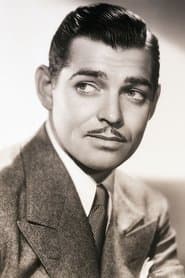
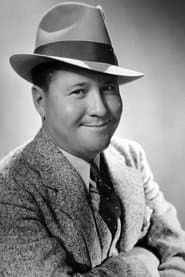
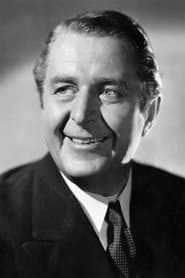
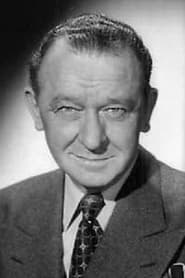
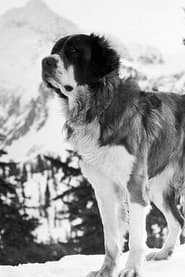
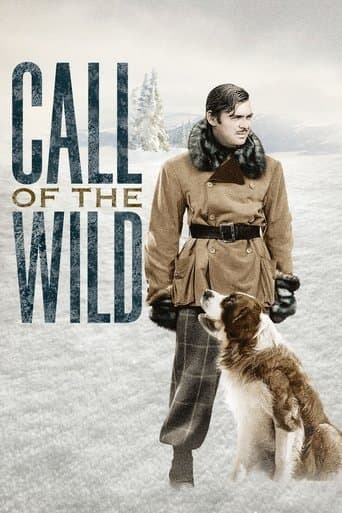
Jack Thornton has trouble winning enough at cards for the stake he needs to get to the Alaska gold fields. His luck changes when he pays $250 for Buck, a sled dog that is part wolf to keep him from being shot by an arrogant Englishman also headed for the Yukon. En route to the Yukon with Shorty Houlihan -- who spent time in jail for opening someone else's letter with a map of where gold is to be found -- Jack rescues a woman whose husband was the addressee of that letter. Buck helps Jack win a $1,000 bet to get the supplies he needs. And when Jack and Claire Blake pet Buck one night, fingers touch.
The 1935 adaptation of "Call of the Wild," directed by William Wellman, is a fascinating amalgamation of adventure and emotional depth, rooted in Jack London's classic tale of survival and companionship. One of the film's most poignant themes is the struggle between civilization and the primal instincts of nature. Buck, the main character, represents the conflict between his domesticated life and the wild spirit lurking within him. As he navigates the harsh realities of the Yukon, Buck's evolution serves as a metaphor for the struggle many face when torn between societal expectations and their intrinsic nature. This theme resonates with audiences, reflecting the broader human experience of self-discovery against adversity.
The cultural impact of "Call of the Wild" in 1935 cannot be understated, as it arrived during a period of significant interest in the American wilderness, particularly amidst the Great Depression. The film's portrayal of rugged individualism and the quest for gold tapped into the zeitgeist of the era, where many sought a means to escape their struggles through the allure of the wild. It also paved the way for future adaptations of London's work, embedding itself into the collective memory of American cinema. The film's blend of adventure and romance, highlighted by the budding relationship between Jack Thornton and Claire Blake, also reflects the era's cinematic trends, where personal relationships often served as a counterpoint to the harshness of the environment.
In terms of cinematography, "Call of the Wild" showcases the breathtaking beauty and brutality of the Alaskan landscape, which plays a crucial role in the storytelling. The film utilized innovative techniques for its time to capture the stark contrast between the serene, picturesque vistas and the perilous conditions faced by the characters. The cinematographer, Sidney Wagner, effectively employed lighting and composition to enhance the narrative's emotional weight, making the wilderness feel alive and threatening. This vivid portrayal not only served to immerse viewers in the experience but also set a precedent for future adventure films that sought to capture the essence of nature as both a character and a backdrop.
Production-wise, "Call of the Wild" faced various challenges, including the logistics of filming in the demanding Alaskan environment, which added authenticity to the narrative. The filmmakers used a combination of studio sets and on-location shooting to create a believable representation of the Yukon. Additionally, the film's use of trained dogs to portray Buck was groundbreaking for its time. The reliance on animal actors brought a level of realism and emotional connection that resonated with audiences, establishing a lasting legacy for canine performances in cinema. The film's ambition and execution laid the groundwork for future adaptations of Jack London's work, reflecting both the timelessness of the story and the evolving nature of film production techniques.