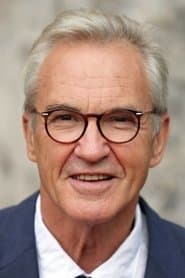
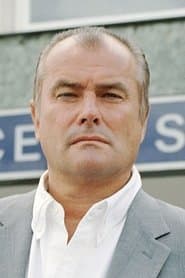
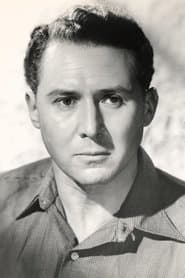
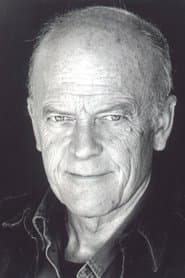
Buster is a small time crook who pulls a big time job. When he finds that the police will not let the case drop, he goes into hiding and can't contact his wife and child. He arranges to meet them in Mexico where he thinks they can begin again, but finds that he must choose between his family and freedom.
"Buster," released in 1988 and directed by David Leland, is a film that intricately weaves themes of family, loyalty, and the moral dilemmas faced by a man on the fringes of society. The protagonist, Buster, played by Phil Collins, is a small-time crook who finds himself caught in a web of crime and consequence. His ultimate struggle is not just against the law, but against the choices that threaten to tear his family apart. As he grapples with the decision to prioritize his freedom over his familial responsibilities, the film delves into the emotional turmoil of a man who yearns for redemption but is ensnared by his past actions. This tension between love and liberty resonates deeply, prompting audiences to reflect on the sacrifices one makes for family.
The cultural impact of "Buster" is noteworthy, particularly in its exploration of the anti-hero archetype during a time when cinema was becoming increasingly fascinated with flawed characters. The late 1980s saw a surge in films that challenged traditional notions of heroism, and Buster's character epitomizes this shift. As a relatable yet morally ambiguous figure, he reflects society's evolving attitudes toward crime and justice. The film's portrayal of a man on the run, coupled with its commentary on socio-economic struggles, resonated with audiences in the UK, where the film was set against a backdrop of rising crime and disillusionment. It sparked conversations about the nature of crime and the complex motivations behind it, positioning Buster not merely as a criminal but as a product of his environment.
From a cinematographic standpoint, "Buster" presents a vivid representation of British urban life in the late 1980s, thanks in large part to the work of director of photography, Roger Pratt. The film employs a gritty realism, using natural lighting and handheld camera techniques to immerse viewers in Buster's world, enhancing the sense of urgency and despair that permeates the narrative. This stylistic approach not only captures the chaotic atmosphere of a life lived on the run but also serves to ground the film in an authentic reality that resonates with the audience. The cinematography effectively contrasts the bleakness of Buster's circumstances with moments of tenderness and hope, particularly in his interactions with his family, highlighting the stakes of his choices throughout the film.
The production history of "Buster" is as intriguing as its narrative. It was inspired by the true story of the notorious Great Train Robbery of 1963, which added a layer of authenticity to its plot. Phil Collins, known primarily for his music career, took on the lead role, marking a significant crossover into film that showcased his versatility as a performer. The film was produced by the production company that had previously worked on notable British projects, and its release was met with a blend of curiosity and skepticism regarding Collins's acting abilities. While "Buster" may not have achieved blockbuster status, it has since garnered a cult following, partly due to its unique blend of humor, crime, and heartfelt storytelling, further solidifying its place in the canon of late 80s British cinema.