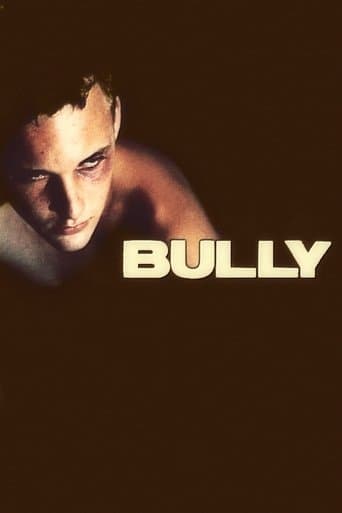
A group of teenagers in South Florida enact a murder plot against their mutual bully, Kent, who has emotionally, physically, and sexually abused them for years.
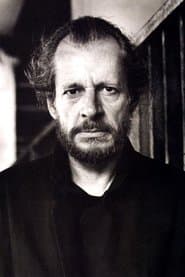
"Bully" (2001), directed by Larry Clark and based on the real-life murder of Bobby Kent, delves deeply into the dark and often overlooked aspects of teenage life, exploring themes of peer pressure, abuse, and the consequences of violence. The film presents a stark portrayal of how bullying can warp relationships and lead to extreme actions. The characters are not merely victims; they are complex individuals grappling with their own moral dilemmas and societal constraints. This nuanced depiction of adolescence forces viewers to confront uncomfortable truths about the dynamics of power and vulnerability among teenagers, prompting a broader discussion about the nature of bullying and its long-lasting effects.
Culturally, "Bully" made a significant impact upon its release, particularly for its unflinching examination of youth violence and the consequences of inaction. In an era where discussions about mental health and bullying were gaining momentum, the film resonated with audiences and sparked dialogue about the importance of addressing these issues head-on. The raw and gritty representation of teenage life, coupled with the shocking conclusion, challenged viewers to reflect on the societal factors that contribute to such tragedies. The film's controversy, particularly regarding its explicit content and portrayal of real-life events, prompted debates about the responsibilities of filmmakers in depicting sensitive topics, ultimately leading to a broader conversation about the ethics of filmmaking and representation.
Visually, "Bully" is characterized by Larry Clark's signature style, which often blends documentary realism with a cinematic approach that captures the chaotic energy of youth. The cinematography, handled by the talented Diego Garcia, employs handheld camera techniques that create an intimate and immersive experience, allowing audiences to feel the raw emotions of the characters. This stylistic choice enhances the film’s authenticity, as it mirrors the disorientation and tumult of teenage life. The use of natural light and real locations in South Florida adds to the film's realism, grounding the narrative in a recognizable yet unsettling environment. The visual aesthetic serves not only to convey the story but also to reflect the characters' internal struggles, making their experiences all the more palpable.
The production history of "Bully" is equally compelling, as it was born out of a collaboration between Larry Clark and Harmony Korine, a screenwriter known for his avant-garde approach to storytelling. Their partnership brought a unique vision to the project, blending Clark's raw, documentary-style filmmaking with Korine's provocative narrative sensibilities. The film faced significant challenges during production, including scrutiny from critics and controversies surrounding its explicit content, which led to an NC-17 rating. However, these hurdles ultimately contributed to its cult status, as it pushed boundaries and challenged conventional narratives about youth and violence. The film's willingness to tackle uncomfortable subjects head-on paved the way for future filmmakers to explore similar themes, solidifying "Bully" as an essential work in the canon of American indie cinema.