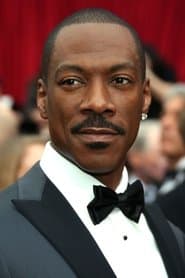
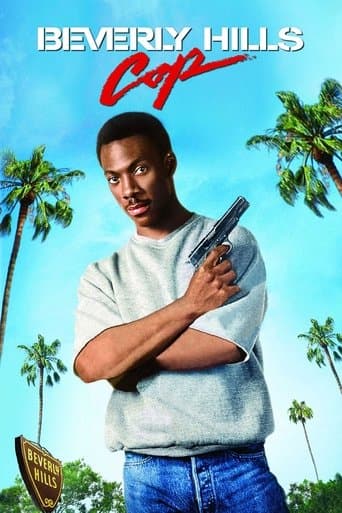
Fast-talking, quick-thinking Detroit street cop Axel Foley has bent more than a few rules and regs in his time, but when his best friend is murdered, he heads to sunny Beverly Hills to work the case like only he can.
"Beverly Hills Cop" is a film that brilliantly juxtaposes the gritty realities of Detroit with the opulence and absurdity of Beverly Hills, creating a sharp social commentary on class and culture in America during the 1980s. Axel Foley, played by Eddie Murphy, embodies the working-class ethos of Detroit, which stands in stark contrast to the wealthy, laid-back lifestyle of Beverly Hills residents. This clash not only serves as a backdrop for the film’s humor but also highlights the disparities between urban struggles and suburban privilege. The film cleverly utilizes these settings to explore themes of friendship, loyalty, and the pursuit of justice, making it more than just a standard action-comedy.
The film's cultural impact is undeniable, as it helped redefine the action-comedy genre and cemented Eddie Murphy's status as a leading star of the 1980s. With its blend of humor, action, and a touch of drama, "Beverly Hills Cop" influenced countless films that followed, paving the way for a new era of Hollywood blockbusters. The film's iconic catchphrases and memorable one-liners have permeated pop culture, and Axel Foley's character has become a quintessential example of the smart-aleck cop archetype. The success of the film also opened doors for more diverse storytelling in mainstream cinema, as it showcased a Black lead in a role that was both comedic and heroic, setting a precedent for future films.
From a cinematographic perspective, "Beverly Hills Cop" effectively used the visual contrasts between the two cities to enhance the storytelling. Director Martin Brest employed a mix of vibrant colors and dynamic camera movements to capture the essence of Beverly Hills, while the scenes in Detroit were more subdued and gritty. This visual dichotomy not only emphasizes Axel's journey but also mirrors his internal struggle as he navigates a world that is both foreign and familiar. The film's cinematography, combined with a memorable soundtrack featuring the infectious "Axel F" theme by Harold Faltermeyer, contributed to its lasting appeal, making it a staple of 80s cinema.
The production history of "Beverly Hills Cop" is also fascinating, as it underwent significant changes before reaching the screen. Initially conceived as a more straightforward action film starring a different lead, the project was transformed when Eddie Murphy joined the cast. His improvisational style and comedic instincts brought a fresh energy to the script, leading to a film that balanced humor with thrilling action sequences. Interestingly, the film was originally intended to feature a much darker tone, but Murphy's influence helped shift it toward a lighter, more comedic approach. This collaborative spirit among the cast and crew played a crucial role in shaping the film into the classic it has become, showcasing how adaptability in production can lead to unexpected and successful results.