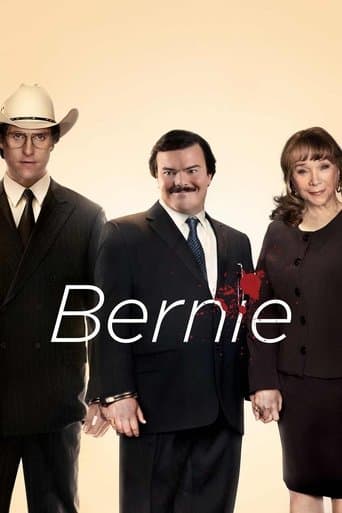
In small-town Texas, affable and popular mortician Bernie Tiede strikes up a friendship with Marjorie Nugent, a wealthy widow well known for her sour attitude. When she becomes controlling and abusive, Bernie goes to great lengths to remove himself from her grasp.
"Bernie," directed by Richard Linklater, beautifully blends dark comedy with a poignant exploration of human relationships, particularly the complexities of kindness and manipulation. At the heart of the film is the character of Bernie Tiede, played by Jack Black, whose affable personality makes him a beloved figure in the small town of Carthage, Texas. However, the film subtly critiques the notion of how charm can sometimes mask deeper issues, as Bernie’s relationship with the wealthy and domineering Marjorie Nugent, portrayed by Shirley MacLaine, spirals into a dark tale of control and murder. This juxtaposition of lightheartedness and darkness invites viewers to reflect on the nature of morality and the lengths to which one might go to escape an abusive situation.
The cultural impact of "Bernie" lies in its unique storytelling approach, which seamlessly intertwines documentary-style interviews with the narrative. This technique not only grounds the film in reality but also serves to enhance the town’s collective voice, allowing locals to share their perspectives on Bernie and Marjorie. This blend of fiction and documentary elements gives the film a quirky authenticity that resonates with audiences, making the story feel both personal and universal. It showcases the town's eccentric character while also examining the larger themes of community, judgment, and the complexities of morality, ultimately creating a rich tapestry that feels both intimate and expansive.
Cinematographically, "Bernie" employs a vibrant palette and a warm, inviting aesthetic that contrasts sharply with the darker elements of the narrative. Linklater’s use of Texas landscapes, combined with a playful yet somber score, creates an atmosphere that reflects the film’s duality. The cinematography captures the charm of small-town life, inviting viewers into a world that is both picturesque and layered with underlying tension. This visual storytelling enhances the character-driven plot, allowing audiences to feel the warmth of the community while simultaneously sensing the impending doom of Bernie’s choices.
The production history of "Bernie" is equally fascinating, as it was inspired by a real-life murder case that shocked the small town of Carthage. The screenplay, co-written by Linklater and Skip Hollandsworth, is based on Hollandsworth's article from Texas Monthly, which highlights the bizarre nature of the crime and the community's reaction to it. The film's commitment to authenticity is palpable, with many of the town's residents cast in supporting roles, further blurring the lines between reality and fiction. This decision not only adds depth to the film but also exemplifies Linklater's dedication to capturing the spirit of Texas, making "Bernie" a unique exploration of a tragic yet comedic story that lingers in the minds of viewers long after the credits roll.