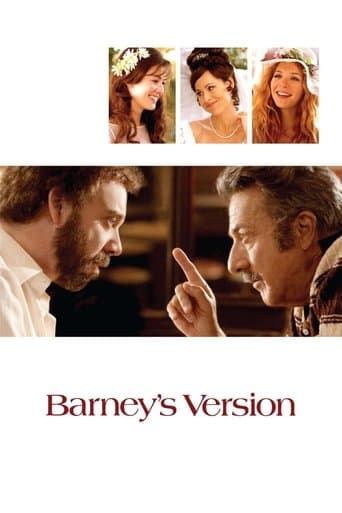
"Barney's Version," directed by Richard J. Lewis and based on Mordecai Richler's acclaimed novel, delves into themes of memory, identity, and the complexities of love. The film follows Barney Panofsky, a flawed yet endearing character played masterfully by Paul Giamatti. As Barney navigates his tumultuous relationships and the passage of time, the narrative raises poignant questions about how we construct our identities through the stories we tell ourselves and others. The film's exploration of memory reveals that our recollections are often tinted by emotion, highlighting the subjective nature of truth and the way it shapes our lives.
The cultural impact of "Barney's Version" is significant, particularly in its portrayal of Jewish identity and the immigrant experience in Canada. Richler's novel, and subsequently the film, reflects a rich tapestry of Montreal's Jewish community, showcasing its humor, struggles, and resilience. By presenting Barney, a character who embodies an unapologetic blend of charm and crassness, the film invites audiences to confront their own biases and preconceptions about love and relationships. This nuanced representation resonates deeply within the Canadian cultural landscape, making it a vital exploration of not only personal identity but also collective heritage.
Visually, "Barney's Version" is a testament to the art of storytelling through cinematography. The film employs a warm, nostalgic palette that captures the essence of different eras in Barney's life, from the vibrant nightlife of Montreal to the quieter, introspective moments of his later years. Cinematographer Guy Dufaux skillfully balances the intimate and the expansive, using close-ups to capture the emotional nuances of Giamatti's performance while also framing the bustling, chaotic backdrop of the city. This visual approach enhances the narrative's emotional depth, allowing audiences to immerse themselves fully in Barney's richly lived experiences.
The production history of "Barney's Version" is notable for the challenges it faced in bringing Richler's beloved novel to the screen. The project was long in development, with various directors and actors attached before it finally came to fruition. Giamatti's passionate commitment to the role of Barney, along with the stellar supporting cast—including Dustin Hoffman and Rosamund Pike—helped to elevate the project and maintain its authenticity. The film ultimately received critical acclaim, particularly for Giamatti's performance, which earned him a nomination for a Golden Globe, affirming the film's successful adaptation of a complex literary work into a compelling cinematic experience.