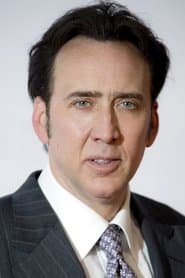
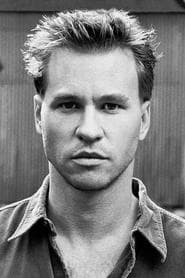
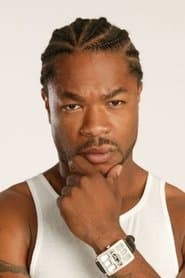
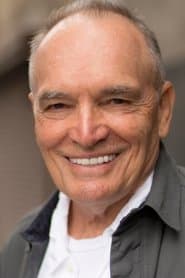
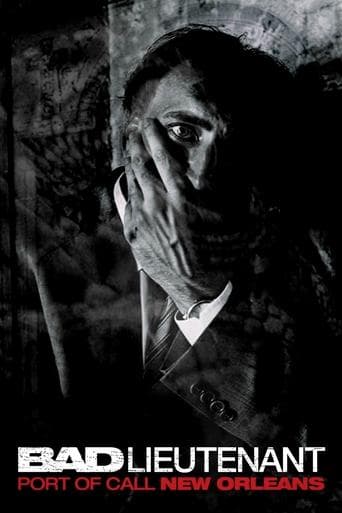
Terrence McDonagh is a New Orleans Police sergeant, who receives a medal and a promotion to lieutenant for heroism during Hurricane Katrina. Due to his heroic act, McDonagh injures his back and becomes addicted to prescription pain medication. He then finds himself involved with a drug dealer who is suspected of murdering a family of African immigrants.
"Bad Lieutenant: Port of Call - New Orleans" is a fascinating exploration of moral ambiguity, addiction, and the psychological toll of trauma, set against the backdrop of a city in recovery from Hurricane Katrina. The film offers a raw portrayal of Terrence McDonagh, played masterfully by Nicolas Cage, whose descent into addiction and moral depravity serves as a critique of authority and the complexities of human nature. The juxtaposition of McDonagh’s initial heroism with his subsequent corruption highlights the fragile line between good and evil, compelling viewers to question the very nature of morality in the face of personal suffering and systemic failure.
The cultural impact of the film can be seen in its distinct portrayal of post-Katrina New Orleans, a city grappling with its identity and resilience in the aftermath of disaster. Director Werner Herzog's unique vision brings a surreal quality to the narrative, effectively capturing the chaotic energy of the city while also addressing issues like poverty and crime. By placing a deeply flawed character in a setting marked by both devastation and hope, the film resonates with audiences on multiple levels, encouraging conversations about the broader social and ethical implications of law enforcement, addiction, and recovery.
Cinematographically, "Bad Lieutenant: Port of Call - New Orleans" is marked by Herzog's signature style, characterized by vivid imagery and a dreamlike quality that enhances the film's themes. The use of unconventional angles and compositions, coupled with the atmospheric cinematography of Peter Zeitlinger, immerses viewers in McDonagh's distorted reality. The film's visual storytelling complements its narrative, as the camera often lingers on the surreal aspects of the city, elevating the sense of disorientation that accompanies McDonagh's unraveling. These artistic choices contribute to a haunting, immersive experience that lingers long after the credits roll.
The production history of the film is equally intriguing, as it stands as a loose reimagining of Abel Ferrara's 1992 film "Bad Lieutenant," though with a markedly different tone and approach. Werner Herzog, known for his philosophical explorations of humanity, brought a distinct layer of existential inquiry to the story, infusing it with his unique brand of dark humor and surrealism. The film's development faced various challenges, including casting decisions and budget constraints, yet Herzog's relentless vision ultimately prevailed, resulting in a film that defies conventional genre categorization. The collaboration between Cage and Herzog, both known for their eccentricities, created a compelling dynamic that further solidified the film's cult status and left an indelible mark on contemporary cinema.