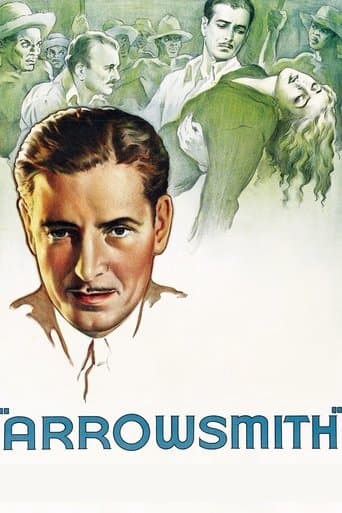
"Arrowsmith," directed by John Ford and based on the Pulitzer Prize-winning novel by Sinclair Lewis, is a compelling exploration of the ethical dilemmas faced by medical professionals. One of the film's central themes is the conflict between scientific idealism and the harsh realities of human life. The protagonist, Dr. Martin Arrowsmith, grapples with the moral implications of prioritizing vaccine distribution during a plague outbreak. This theme resonates deeply, as it raises questions about the responsibilities of scientists and the potential consequences of their decisions in times of crisis. The narrative invites viewers to reflect on the balance between individual human lives and the greater good—a relevant discourse that remains significant in contemporary discussions surrounding public health and medical ethics.
The cultural impact of "Arrowsmith" can be seen in its bold approach to addressing the intersection of science and society. Released in the early 1930s, the film arrived at a time when the world was grappling with the ramifications of the Great Depression and the rise of scientific advancements. It presented a nuanced portrayal of medical research, emphasizing the importance of human compassion alongside scientific rigor. By humanizing the struggles of a researcher, "Arrowsmith" contributed to a shifting perception of doctors and scientists in popular culture, moving away from the archetypal heroes to complex characters dealing with real-world challenges. This nuanced representation laid the groundwork for future medical dramas and highlighted the societal role of health professionals, a theme that continues to resonate in modern cinema.
Cinematographically, "Arrowsmith" is notable for its striking visuals and innovative use of sound. As one of the earlier films in the sound era, it showcases John Ford's ability to blend dialogue with expressive cinematography, utilizing shadows and light to enhance the emotional weight of the story. The setup of scenes during the plague outbreak effectively conveys a sense of urgency and despair, drawing the audience into the dire circumstances faced by the characters. The film's technical achievements, particularly in its sound design and atmospheric visuals, helped to elevate the storytelling, making it not only a narrative experience but also a sensory one. This technical prowess would become a hallmark of Ford's career, influencing how filmmakers approached storytelling in the years to come.
Production-wise, "Arrowsmith" faced its share of challenges, particularly in adapting Sinclair Lewis's complex narrative for the screen. The film was produced during a time when Hollywood was experimenting with the sound film format, and this put pressure on filmmakers to find ways to engage audiences beyond mere dialogue. The adaptation required a careful balance, as it needed to stay true to the source material while also appealing to the cinematic sensibilities of the era. Despite these challenges, "Arrowsmith" succeeded in weaving together Lewis's critique of societal values and the emerging field of medical science, resulting in a film that not only entertained but also provoked thought and discussion. The commitment to staying faithful to the novel's themes, even amidst production constraints, exemplifies the dedication of the filmmakers to create a meaningful cinematic experience.