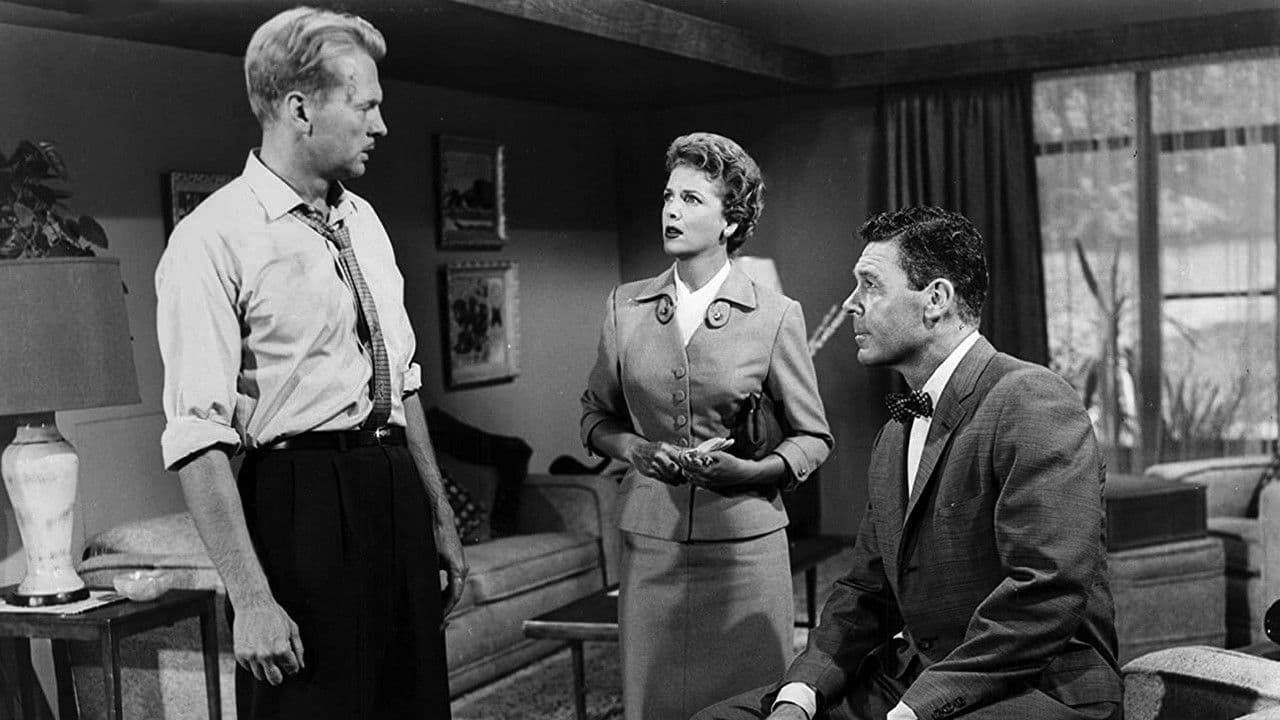
"Affair in Reno" (1957) serves as a fascinating exploration of the clash between traditional values and the emerging cultural shifts of the 1950s. At its core, the film delves into themes of love, ambition, and the moral dilemmas faced by individuals navigating the seductive allure of wealth and glamour. The character of the PR man, tasked with preventing the marriage of the millionaire's daughter to a gambler, symbolizes the struggle between societal expectations and personal desires. This narrative reflects the broader societal changes occurring during the era, where the post-war American dream was increasingly questioned amid shifting gender roles and the rise of consumer culture.
The film’s setting in Reno, often dubbed the "Biggest Little City in the World," plays a crucial role in shaping its cultural context. Reno was known in the 1950s as a hotspot for quick divorces and gambling, making it an ideal backdrop for a story that grapples with themes of love and opportunism. The choice of location not only enhances the film’s narrative tension but also serves as a microcosm of American society at the time. By positioning the characters in this vibrant yet morally ambiguous environment, "Affair in Reno" invites audiences to reflect on the complexities of desire and the consequences of chasing the American Dream, all wrapped in the glitzy façade of a burgeoning gambling culture.
Cinematographically, "Affair in Reno" employs a vibrant and colorful aesthetic that captures the essence of 1950s Americana. The film’s use of bright colors and stylish costumes reflects the optimism of the era, while also accentuating the characters’ emotional states and the stakes of their decisions. The cinematography enhances the glamorous yet deceptive nature of Reno, contrasting the bright lights of the casino with the underlying tensions in the characters’ relationships. This visual approach not only entertains but also deepens the viewer's engagement with the characters’ struggles, making their dilemmas feel both immediate and relatable.
The production history of "Affair in Reno" reveals the challenges and ambitions of the filmmakers during a transformative period in Hollywood. As studios began to embrace more diverse storytelling, this film stands as an example of the industry's willingness to tackle contemporary social issues, albeit through a lighthearted lens. The casting of well-known actors of the time brought a level of star power that helped to draw audiences, while the film’s witty script and engaging plot reflect a burgeoning trend toward more sophisticated comedy in American cinema. This combination of talent and thematic exploration not only made "Affair in Reno" a product of its time but also contributed to its lasting charm and relevance in the history of film.