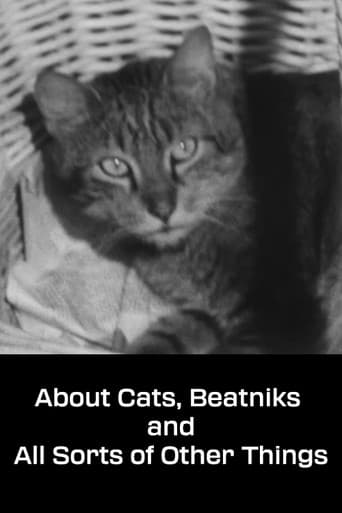
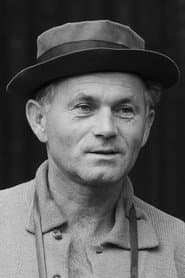
"About Cats, Beatniks and All Sorts of Other Things" is a fascinating exploration of the cultural zeitgeist of the 1960s, particularly within the context of youth rebellion and intellectual discourse. The film captures the essence of a generation grappling with existential questions, as young people engage in conversations with the enigmatic writer Bohumil Hrabal. The dialogues, infused with a blend of humor and profound philosophical musings, reflect a society in transition, where traditional norms were being challenged, and the search for identity became a pivotal theme. This interplay of youthful curiosity and Hrabal's wisdom serves as a microcosm of the broader cultural shifts occurring during this dynamic era.
The cinematography of the film plays a crucial role in establishing its unique aesthetic and thematic resonance. Shot in a style that blends documentary realism with artistic expression, the film employs innovative techniques to immerse viewers in the vibrant world of the 1960s. The use of natural lighting and handheld camera work not only captures the spontaneity of youth culture but also presents a raw, unfiltered look at the characters’ interactions. This visual approach complements the film's narrative, emphasizing the importance of spontaneity and authenticity in both personal relationships and artistic expression, hallmarks of the Beat Generation and its legacy.
In terms of cultural impact, the film stands as a significant artifact of its time, encapsulating the spirit of the Beatnik movement and its ethos of nonconformity and intellectual exploration. By featuring a prominent figure like Hrabal, the film bridges the gap between mainstream cinema and the avant-garde, appealing to a wide audience while also challenging conventional storytelling. This duality not only resonates with viewers seeking deeper meaning but also serves to inspire a new generation of filmmakers and artists who were influenced by the film's exploration of unconventional narratives and character-driven storytelling.
The production history of "About Cats, Beatniks and All Sorts of Other Things" is equally intriguing, as it reflects the collaborative spirit of artists during a time of social upheaval. The film was produced at a time when artistic expression was often constrained by political realities, yet it managed to find a voice through the lens of absurdity and humor. This tension between artistic freedom and societal constraints is palpable throughout the film, creating a rich tapestry of ideas that invite viewers to reflect on the role of art in confronting and interpreting the complexities of human experience. The film's ability to navigate these challenges while remaining relevant to contemporary audiences speaks to its enduring legacy and the timeless themes it addresses.
Frequently Asked Questions
Reviews
You need to be signed in to write a review.
No reviews yet. Be the first to review this movie!
Discussion
Sign in to join the discussion.
No comments yet. Be the first to share your thoughts!