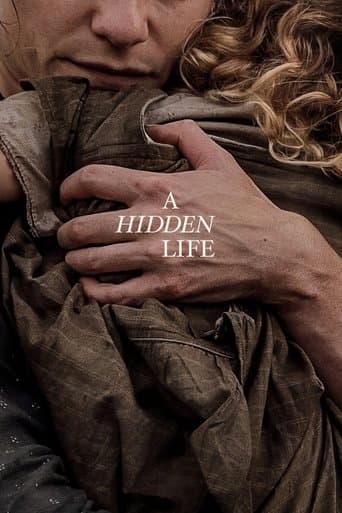
"A Hidden Life," directed by Terrence Malick, is a film that delves deeply into the themes of moral conviction, faith, and the struggle against authoritarianism. At its core, the story revolves around Franz Jägerstätter, an Austrian farmer who faces execution for his refusal to serve in the Nazi army. This true story serves as a powerful reminder of the personal cost of standing up for one's beliefs in the face of overwhelming societal pressure. Malick's exploration of Jägerstätter's internal conflict resonates profoundly in today's world, where individuals still grapple with issues of conscience and the moral implications of their choices.
From a cultural perspective, "A Hidden Life" offers a poignant reflection on the consequences of complicity and the importance of individual agency in times of crisis. The film invites viewers to consider the broader implications of Jägerstätter's stance, prompting discussions about resistance and moral courage. In an era where political ideologies can polarize communities, the film serves as a clarion call for empathy and understanding, encouraging audiences to reflect on their own values and the weight of their decisions. It challenges viewers to confront the often-uncomfortable realities of history while fostering a dialogue about contemporary issues of justice, integrity, and the human spirit.
Cinematically, Malick's signature style is on full display in "A Hidden Life," characterized by lush visuals, meditative pacing, and a profound connection to nature. The film was shot in the breathtaking landscapes of Austria and the Bavarian Alps, which not only serve as a stunning backdrop but also symbolize the beauty and fragility of life. The cinematography, crafted by frequent collaborator Jörg Widmer, captures the essence of rural existence and the stark contrasts between the serenity of the countryside and the turmoil of war. Malick's use of natural light and poetic imagery creates an immersive experience that draws viewers into Jägerstätter's world, evoking both the beauty of his surroundings and the weight of his moral dilemma.
In terms of production history, "A Hidden Life" reflects Malick's ongoing exploration of spirituality and existential questions. The film took several years to develop, with Malick meticulously researching Jägerstätter's life and drawing inspiration from his writings, particularly his letters to his wife. The commitment to authenticity is evident in the film's attention to historical detail and the portrayal of Jägerstätter's unwavering faith. Premiering at the Cannes Film Festival in 2019, the film garnered critical acclaim for its artistry and thematic depth, reinforcing Malick's reputation as one of contemporary cinema's most visionary directors. Through "A Hidden Life," Malick invites audiences to ponder the profound implications of individual choices against the backdrop of history, making it a significant contribution to both cinematic art and the discourse surrounding morality in tumultuous times.