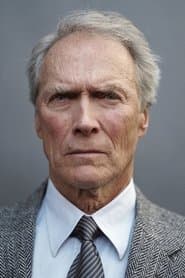
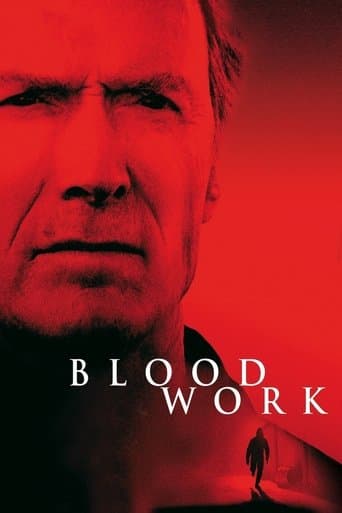
Still recovering from a heart transplant, a retired FBI profiler returns to service when his own blood analysis offers clues to the identity of a serial killer.
"Blood Work," directed by Clint Eastwood, is notable not just for its engaging plot but also for its exploration of themes related to mortality and redemption. The film delves into the fragility of life through the lens of its protagonist, Terry McCaleb, played by Eastwood himself, who is grappling with the physical and emotional ramifications of a heart transplant. The narrative cleverly intertwines his struggle for survival with the urgency of solving a murder case, highlighting the nuances of human connection and the lengths one will go to reclaim a sense of purpose. This duality serves as a poignant reminder of how personal crises can often intersect with broader societal issues, making the film resonate on multiple levels.
Culturally, "Blood Work" sits at an interesting crossroads within Eastwood's filmography. Released in 2002, it comes at a time when the American public was increasingly fascinated with stories of crime and justice, reflecting a growing appetite for psychological thrillers. The film's emphasis on a lone detective who must confront both an external adversary and his own physical limitations mirrors the zeitgeist of an era steeped in post-9/11 anxieties, where themes of vulnerability and resilience were particularly salient. Eastwood's portrayal of McCaleb as a flawed yet determined character invites viewers to reflect on their own struggles, creating an emotional depth that transcends the genre.
Visually, "Blood Work" employs a distinctive cinematographic style that enhances its narrative tension. The film's cinematographer, Tom Stern, utilizes a palette that oscillates between muted tones and sharp contrasts, effectively mirroring the psychological states of the characters. The use of close-ups during critical moments captures the subtle complexities of Eastwood's performance, allowing audiences to connect intimately with McCaleb's internal battle. Furthermore, the California landscapes serve as both a backdrop and a character in their own right, reflecting the protagonist’s journey from isolation to connection as he seeks to uncover the truth behind the murders.
From a production standpoint, "Blood Work" is a fascinating example of Eastwood's evolution as a filmmaker. The film is based on the novel by Michael Connelly, and while it deviates from the source material in certain aspects, it retains the core themes of intrigue and moral ambiguity that define Connelly's work. Eastwood's choice to direct and star in the film reflects his desire to explore more personal narratives, showcasing his ability to blend commercial viability with artistic expression. The film's production faced challenges, including a tight shooting schedule and the complexities of filming in various locations, yet it ultimately stands as a testament to Eastwood's commitment to storytelling and his mastery of the cinematic form.